
Did you know dental implant procedures are usually not very painful? People often feel only a little discomfort, with pain levels from 1 to 3. This is because dentists use local anesthesia to numb the area. This makes sure patients are comfortable during the surgery.
Most patients find the pain after surgery to be less than they expected. This is good news for those thinking about getting a dental implant.
Knowing how much pain a dental implant might cause is important. It helps people understand what to expect. This knowledge can make them feel more at ease when they decide to get an implant.
Key Takeaways
- Dental implants are the only treatment addressing the entire loss of a tooth, from its crown to its roots.
- Most patients report that post-surgery discomfort is less severe than anticipated.
- Common side effects include soreness in the teeth, gums, and jaw around the treatment area.
- Localized anesthesia makes the implant procedure virtually pain-free.
- Following post-surgical care can greatly minimize dental implant discomfort.
- Recovery time is generally about 10 days, with pain subsiding within the first week.
Understanding the Dental Implant Procedure
The dental implant procedure is a detailed process to replace missing teeth. It starts with removing the damaged tooth. Then, a bone graft for dental implants might be needed to strengthen the jawbone.
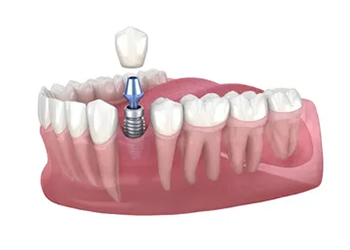
After preparing the jawbone, a metal post is drilled into the bone. This post, made of titanium, acts as the new tooth root. The osseointegration process follows, where the post integrates with the jawbone. This can take several months as the bone grows around it.
Once the post is integrated, an abutment is attached. The abutment connects to the dental crown, which is made to look and function like a natural tooth. Knowing these steps helps patients prepare for the surgery and recovery.
During recovery, the treated area, face, and jaw might feel sore for up to ten days. Pain and swelling usually lessen by the third day. Most people see no pain and start healing within two weeks.
The success of a dental implant depends on the patient’s health and the dentist’s skill. The success rate is about 95-98%, with implants lasting over a decade. Regular check-ups are important to ensure the implant stays stable and to address any concerns.
What to Expect During the Surgery
Knowing what happens during dental implant surgery can make you feel less anxious. The whole process is done in stages. This ensures the implant is placed and integrated correctly.
- Initial Examination: The first step is a detailed dental exam. This includes X-rays and 3D imaging. It helps create a treatment plan that fits your needs.
- Anesthesia Administration: Local anesthesia is used to keep you pain-free. It numbs the area where you’ll have surgery, making it comfortable.
- Implant Placement: A titanium post is inserted into the jawbone. This acts as the tooth’s root. You might feel some pressure, but it won’t hurt.
- Sedation Options: If you’re anxious, there are sedation options. Oral sedation can help you relax during the whole process.
- Post-Surgical Care: After the surgery, managing pain is key. You might feel some pain or discomfort. This can be eased with over-the-counter pain relievers, ice packs, and soft foods.
- Healing and Integration: The implant needs time to fuse with the bone. This process takes months. You might feel some pain or discomfort in the first few days.
- Abutment Placement: After the implant is integrated, an abutment is placed. This connects the implant to the prosthetic tooth. You might feel some minor discomfort, but it’s usually manageable with pain relief.
Most people don’t feel much pain during the surgery. This is thanks to the anesthesia and sedation used. After surgery, you might feel pain at the implant site, bruising, and minor bleeding. But these can be managed with the right pain relief strategies.
Pain after dental implant surgery usually peaks within 48 hours. It then starts to go away, allowing you to get back to normal activities soon.
How painful is getting a dental implant?
The pain after getting a dental implant can vary. But, with the right care, it can be kept to a minimum. The surgery involves some trauma to the gums and jaw. Yet, during the surgery, you won’t feel pain because the area is numbed.
After the surgery, most people find the pain less than they expected. This mild pain usually lasts up to 10 days. It can even go away sooner. To help with the pain, you can take over-the-counter pain relievers like Advil. It’s also good to avoid hard foods and follow aftercare routines, like salt water rinses.
Getting a single implant usually hurts less than getting multiple implants. You can usually go back to work the day after surgery. Dental implants are the best choice for missing teeth because they look and work like real teeth.
If you have pain that lasts longer than expected, it could be a sign of a problem. This might mean an infection at the implant site. If this happens, you need to see a dentist right away.
In summary, while dental implant recovery does involve some discomfort, most people find it manageable. Proper aftercare and talking to your dentist can help you cope with the pain. This ensures a smooth recovery.
Conclusion
Getting dental implants may cause some discomfort, but the benefits are huge. They make your teeth work and look like new again. Plus, they last a long time, solving tooth loss problems for good.
The healing process might start with a bit of swelling and pain. But, it usually ends with better health and a happier smile. Modern methods and pain relief options have made the process easier.
Doctors use local anesthetics to keep the procedure painless and fast. After, you can use common pain meds and cold packs to ease swelling. Following your dentist’s advice is key to a smooth recovery.
It’s important to talk openly with your dentist during healing. If pain lasts too long, it might mean a problem like infection. Seeing a dentist quickly can fix these issues. Dental implants are worth the temporary pain, offering lasting beauty and function.