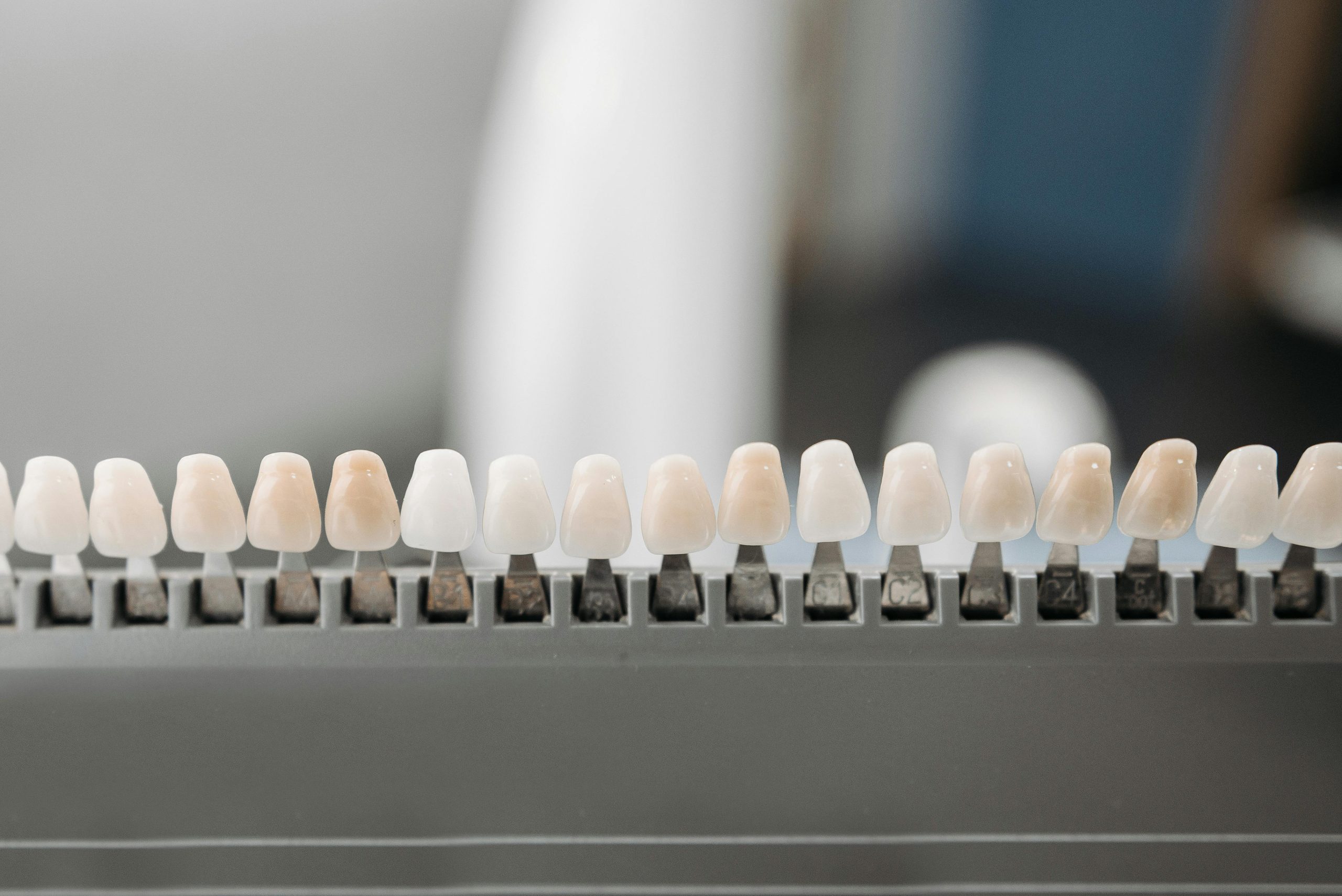
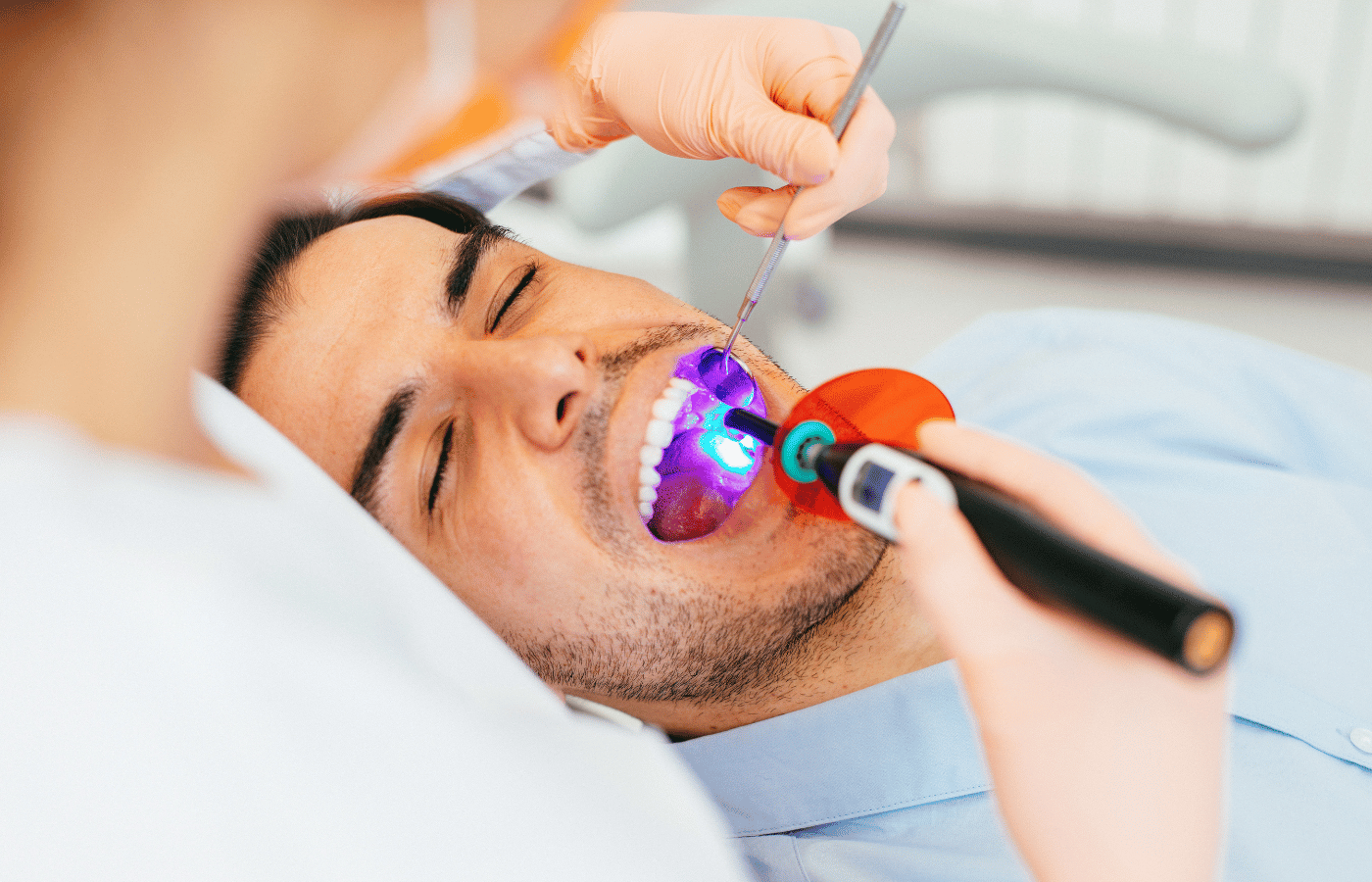
What happens to teeth under veneers?

Did you know that porcelain veneers can last over 20 years if they’re well cared for? But, what’s often missed is what happens to the teeth under the veneers. It’s key to know how veneers affect the teeth below and keep them healthy for veneers to last long. Let’s explore what’s happening under those perfect veneers to the teeth underneath.

Key Takeaways

  • Porcelain veneers can last over 20 years with proper care, while composite veneers typically last 7-10 years.
  • A small layer of enamel, typically about 0.5mm, is removed during veneer placement to facilitate bonding.
  • Veneers do not prevent tooth decay; plaque can still accumulate and lead to gum disease without proper maintenance.
  • Porcelain veneers are more resistant to staining from pigmented foods compared to natural enamel.
  • Common reasons for replacing veneers include chipping, breaking, tooth decay, and gum recession.
  • Maintaining veneers involves brushing twice daily, flossing, and using antibacterial mouthwash.
  • Regular dental visits are essential to monitor and maintain the health of dental veneers and underlying teeth.

The Impact of Dental Veneers on Tooth Structure

Dental veneers need about 0.5mm of enamel to be placed. This is a small amount that helps keep the tooth’s natural shape. Veneers protect teeth from harm and damage, making them safer.

Veneers can last up to 10 years, offering long-term protection. Their success depends on the teeth’s health and how well they are applied. Even with veneers, teeth need regular care to avoid decay.

Without good oral hygiene, bacteria can hide between teeth and under veneers. This can lead to pain, cavities, and even tooth loss. Brushing, flossing, and dental visits are key to keeping veneers and teeth healthy.

The bonding process and veneer type also affect tooth stability. Over time, the enamel under veneers can change. Choosing quality materials and good oral hygiene are crucial for a long-lasting veneer and healthy teeth.

Maintaining Oral Hygiene with Veneers

Keeping your oral hygiene up with veneers is key to their lasting beauty. Brushing, flossing, and using mouthwash are musts. These habits help your veneers stay in top shape.

Choosing the right toothbrush is the first step in veneer care. Many people need to switch to a soft bristle toothbrush after getting veneers. Soft bristles clean better without harming the veneers.

It’s also important to pick non-abrasive toothpaste. This prevents damage to the veneer surfaces.

Regular dental visits are vital for veneer care. Every six months, your dentist can check your veneers and teeth. This ensures your veneers stay stain-free and your teeth healthy.

Remember, veneers can last 10 to over 20 years with proper care. But, natural teeth can still get cavities. So, regular dental check-ups are crucial.

Avoid biting hard objects like ice or pens to prevent chipping. Also, limit foods and drinks that stain, like coffee and wine. Wearing mouthguards during sports can also protect your veneers from injury.

By following these care tips, you can keep your veneers looking great. This not only preserves your smile but also boosts your confidence and overall well-being.

What happens to teeth under veneers?

Underneath dental veneers, the natural teeth still need careful care. Veneers improve the look of teeth but don’t stop decay. The parts of the teeth not covered by veneers are still at risk from sugars and acids.

Knowing how veneers affect teeth is key. When teeth are prepared for veneers, a small amount of enamel is removed. This doesn’t harm the teeth if the veneers fit well and bond strongly. But, if veneers don’t fit right, they can harbor bacteria, causing more dental problems.

Veneers can fix many cosmetic issues like stains or gaps. But, they need regular care to stay in good shape. Brushing after meals and flossing daily is essential. Also, seeing the dentist twice a year for cleanings and checks helps prevent serious decay.

The effect of veneers on teeth depends on the type. Porcelain veneers need enamel removal, while no-prep veneers require less. Removable veneers are new and not well-studied. Keeping up with oral hygiene is crucial to make veneers last and keep teeth healthy.

Conclusion

Dental veneers are a great choice for those wanting a better smile and more confidence. They last long if you take good care of them. A small amount of enamel is removed to fit the veneer, but you won’t even notice.

Keeping your veneers clean and your teeth healthy is key. Brushing and flossing regularly helps. Also, seeing your dentist often is important to catch any problems early.

Porcelain veneers are strong and don’t stain easily. They’re a popular choice in Glastonbury, CT, and worldwide. But, be careful not to bite too hard on them. If you grind your teeth at night, a custom nightguard can help.

To sum up, veneers make your smile look great but need care. Follow the right steps for your veneers and teeth to stay healthy for a long time.

How bad does a tooth need to be to be extracted?

Ever wondered when a dentist decides to pull a tooth? Tooth extraction is a big deal. So, it’s interesting to know how bad a tooth has to be to get pulled.

Severe tooth decay that reaches the pulp and causes infection often leads to root canals or extractions. If decay or damage is too much for crowns or fillings, dentists might pull the tooth. Impacted teeth, like wisdom teeth, are another reason for removal. They can cause overcrowding, damage, and infections if not treated.

Periodontal disease that gets worse can make teeth loose, needing extraction to keep them aligned and working right. Traumatic injuries from sports or accidents can also damage teeth beyond repair, leading to extraction. Dentists make this important decision after a detailed dental check-up to see if pulling the tooth is needed.

Key Takeaways

  • Severe decay reaching the tooth pulp often leads to root canals or extractions.
  • Extractions are considered when decay is too extensive for other restorative methods.
  • Impacted teeth, like wisdom teeth, may need extraction to prevent overcrowding and damage.
  • Progressed periodontal disease can lead to loose teeth, necessitating extractions for alignment.
  • Traumatic injuries resulting in irreparable damage also require extractions.

Signs That Indicate Tooth Extraction

Knowing when you might need a tooth pulled is key to good oral health. Dentists look for certain signs before suggesting extraction. Spotting these signs early can help avoid serious problems and get you the right treatment fast.

  • Severe tooth pain: This often means an infection or deep decay. If pain lasts after a root canal, you might need a tooth pulled.
  • Jaw discomfort and swelling: If your jaw hurts, your gums are swollen, or chewing is hard, it could mean you need a tooth pulled, especially if there’s an infection.
  • Large fractures: Teeth with big cracks that can’t be fixed with fillings or crowns might need to be removed to avoid more damage.
  • Periodontal disease: Advanced gum disease can make teeth loose. In these cases, pulling the tooth might be the only option.
  • Impacted wisdom teeth: Wisdom teeth that get stuck under the gum often need to be removed. This is especially true if they hurt, get infected, or push other teeth out of place.
  • Continuous discomfort post-treatment: If a tooth still hurts after fillings or crowns, it might need to be pulled.
  • Crowded teeth: If your teeth are too close together because your jaw is small, pulling one can help. This can also prevent cavities and misalignment.
  • Persistent bad breath and bleeding gums: These signs can mean a serious problem like an infection or decay. Pulling the tooth might be needed to fix the issue and get your mouth healthy again.

Don’t ignore signs that you might need a tooth pulled. These signs usually mean there’s a big problem that needs a dentist’s help. After a tooth is pulled, rest for at least 24 hours. You might feel swollen, but using an ice pack and taking pain meds can help. Also, seeing your dentist regularly and brushing well can lower your chance of needing a tooth pulled. Catching these signs early means you can get treated quickly and keep your teeth healthy.

Why Tooth Extraction May Be Necessary

Understanding when a tooth needs to be pulled is key to good oral health. Many dental problems can make tooth removal necessary. These issues often happen when we don’t take care of our teeth or when problems get worse.

Tooth decay is a big reason for tooth extractions. It’s the top cause worldwide. People who don’t go to the dentist often end up needing their teeth pulled. Decay can get so bad that fillings or crowns can’t fix it, leading to extraction.

Gum disease is another common reason for tooth loss. If not treated, it can damage the gums, ligaments, and bone that hold teeth in place. The National Institute of Dental and Craniofacial Research says gum disease is a major cause of tooth loss. Bacteria under the gum can spread and cause infections.

Tooth extraction is also needed for crowded teeth, especially in kids and teens. When there’s not enough room for all teeth, pulling some can help. Wisdom teeth often need to be removed because there’s not enough space in the jaw. This helps avoid pain, infections, and other dental issues.

Teeth can break due to injuries, sometimes needing to be pulled. Severe trauma, like from accidents, can damage teeth so much that they can’t be fixed. The American Dental Association says teeth that are too damaged or cause crowding should be removed.

There’s also a health reason for tooth extraction. Studies show that bad dental infections can lead to serious health problems like heart disease and stroke. So, knowing when a tooth needs to be pulled is important to avoid bigger health issues.

It’s important to follow tooth removal guidelines. This means seeing a professional dentist or oral surgeon. Whether it’s a simple or complex extraction, getting expert advice is crucial for good oral health.

How bad does a tooth need to be to be extracted?

The extent of tooth damage is key in deciding if a tooth needs to be pulled. If the decay or damage is severe, pulling the tooth is often the best option. Several factors and conditions help decide if a tooth should be removed.

For example, if a tooth has a crack that goes below the gum line or deep into the jaw, it’s weak and at risk for more problems. Teeth with big cavities that weaken them are also often pulled. Signs like severe decay, advanced gum disease, or breaks that can’t be fixed usually mean the tooth needs to come out.

  • Cavities (tooth decay): Often need fillings or other treatments; big cavities might mean the tooth needs to be pulled.
  • Structural Compromise: Teeth with deep cracks are usually too damaged to save.
  • Periodontal Disease: Advanced gum disease can cause a lot of tooth and bone loss, making pulling necessary.
  • Severe Pain and Abscesses: Long-lasting and severe pain from dental abscesses due to decay might mean the tooth needs to be removed.

Extraction might also be needed for reasons not related to decay, like teeth that don’t fit right in the mouth or for orthodontic treatments. Accidents that damage teeth also increase the need for extraction.

These factors together set the limit for when a tooth needs to be pulled. Spotting and dealing with these issues early can stop more dental problems and keep your mouth healthy.

Conclusion

Knowing about tooth extraction is key for good dental health. This overview shows that removing wisdom teeth is common, with 85% of people needing it. Regular dental visits and good oral hygiene can help avoid extractions by catching problems early.

Tooth extraction summary points out that complications are rare. Infections happen in 1 to 5% of cases, as the Journal of Oral and Maxillofacial Surgery reports.

Even though tooth extraction sounds scary, modern dentistry makes it easier. Local anesthesia makes the procedure almost painless. Afterward, some pain is normal, especially in the first few days. It can be eased with over-the-counter drugs like ibuprofen.

It’s important to follow post-extraction care to heal quickly. This includes avoiding hard foods and keeping your mouth clean. Recovery usually takes about two weeks.

When keeping a tooth is not possible due to decay, overcrowding, or gum disease, extraction is needed. But, regular dental cleanings and quick treatment of problems can help keep natural teeth healthy longer. Understanding tooth extraction helps see it as a part of dental care for long-term oral health.

How painful is getting a dental implant?

Did you know dental implant procedures are usually not very painful? People often feel only a little discomfort, with pain levels from 1 to 3. This is because dentists use local anesthesia to numb the area. This makes sure patients are comfortable during the surgery.

Most patients find the pain after surgery to be less than they expected. This is good news for those thinking about getting a dental implant.

Knowing how much pain a dental implant might cause is important. It helps people understand what to expect. This knowledge can make them feel more at ease when they decide to get an implant.

Key Takeaways

  • Dental implants are the only treatment addressing the entire loss of a tooth, from its crown to its roots.
  • Most patients report that post-surgery discomfort is less severe than anticipated.
  • Common side effects include soreness in the teeth, gums, and jaw around the treatment area.
  • Localized anesthesia makes the implant procedure virtually pain-free.
  • Following post-surgical care can greatly minimize dental implant discomfort.
  • Recovery time is generally about 10 days, with pain subsiding within the first week.

Understanding the Dental Implant Procedure

The dental implant procedure is a detailed process to replace missing teeth. It starts with removing the damaged tooth. Then, a bone graft for dental implants might be needed to strengthen the jawbone.

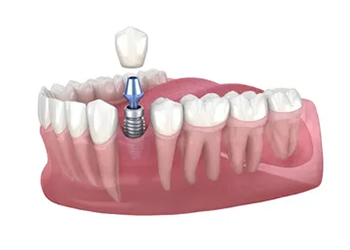
After preparing the jawbone, a metal post is drilled into the bone. This post, made of titanium, acts as the new tooth root. The osseointegration process follows, where the post integrates with the jawbone. This can take several months as the bone grows around it.

Once the post is integrated, an abutment is attached. The abutment connects to the dental crown, which is made to look and function like a natural tooth. Knowing these steps helps patients prepare for the surgery and recovery.

During recovery, the treated area, face, and jaw might feel sore for up to ten days. Pain and swelling usually lessen by the third day. Most people see no pain and start healing within two weeks.

The success of a dental implant depends on the patient’s health and the dentist’s skill. The success rate is about 95-98%, with implants lasting over a decade. Regular check-ups are important to ensure the implant stays stable and to address any concerns.

What to Expect During the Surgery

Knowing what happens during dental implant surgery can make you feel less anxious. The whole process is done in stages. This ensures the implant is placed and integrated correctly.

  • Initial Examination: The first step is a detailed dental exam. This includes X-rays and 3D imaging. It helps create a treatment plan that fits your needs.
  • Anesthesia Administration: Local anesthesia is used to keep you pain-free. It numbs the area where you’ll have surgery, making it comfortable.
  • Implant Placement: A titanium post is inserted into the jawbone. This acts as the tooth’s root. You might feel some pressure, but it won’t hurt.
  • Sedation Options: If you’re anxious, there are sedation options. Oral sedation can help you relax during the whole process.
  • Post-Surgical Care: After the surgery, managing pain is key. You might feel some pain or discomfort. This can be eased with over-the-counter pain relievers, ice packs, and soft foods.
  • Healing and Integration: The implant needs time to fuse with the bone. This process takes months. You might feel some pain or discomfort in the first few days.
  • Abutment Placement: After the implant is integrated, an abutment is placed. This connects the implant to the prosthetic tooth. You might feel some minor discomfort, but it’s usually manageable with pain relief.

Most people don’t feel much pain during the surgery. This is thanks to the anesthesia and sedation used. After surgery, you might feel pain at the implant site, bruising, and minor bleeding. But these can be managed with the right pain relief strategies.

Pain after dental implant surgery usually peaks within 48 hours. It then starts to go away, allowing you to get back to normal activities soon.

How painful is getting a dental implant?

The pain after getting a dental implant can vary. But, with the right care, it can be kept to a minimum. The surgery involves some trauma to the gums and jaw. Yet, during the surgery, you won’t feel pain because the area is numbed.

After the surgery, most people find the pain less than they expected. This mild pain usually lasts up to 10 days. It can even go away sooner. To help with the pain, you can take over-the-counter pain relievers like Advil. It’s also good to avoid hard foods and follow aftercare routines, like salt water rinses.

Getting a single implant usually hurts less than getting multiple implants. You can usually go back to work the day after surgery. Dental implants are the best choice for missing teeth because they look and work like real teeth.

If you have pain that lasts longer than expected, it could be a sign of a problem. This might mean an infection at the implant site. If this happens, you need to see a dentist right away.

In summary, while dental implant recovery does involve some discomfort, most people find it manageable. Proper aftercare and talking to your dentist can help you cope with the pain. This ensures a smooth recovery.

Conclusion

Getting dental implants may cause some discomfort, but the benefits are huge. They make your teeth work and look like new again. Plus, they last a long time, solving tooth loss problems for good.

The healing process might start with a bit of swelling and pain. But, it usually ends with better health and a happier smile. Modern methods and pain relief options have made the process easier.

Doctors use local anesthetics to keep the procedure painless and fast. After, you can use common pain meds and cold packs to ease swelling. Following your dentist’s advice is key to a smooth recovery.

It’s important to talk openly with your dentist during healing. If pain lasts too long, it might mean a problem like infection. Seeing a dentist quickly can fix these issues. Dental implants are worth the temporary pain, offering lasting beauty and function.

How long does an implanted tooth last?

Did you know dental implants can last a lifetime with care? They have a success rate of about 95%. This makes them a reliable choice for replacing teeth. The titanium post of a dental implant fits well with the jawbone, acting like a natural tooth root.

The post can last forever, but the crown might need to be replaced every 10 to 15 years. This is because of normal wear and tear. Knowing what affects the dental implant longevity and lifespan of dental implants helps in keeping them in top shape.

Keeping your implants in good condition is key. Regular dental visits and good oral hygiene are crucial. On average, the post can last 25 years or more. Some say it can last forever. Despite crowns wearing out over time, dental implants are a great long-term option for tooth replacement.

Key Takeaways

  • Dental implants can last a lifetime with regular maintenance and dental check-ups.
  • The crown portion typically requires replacement every 10 to 15 years.
  • Zirconia implants may last 20 years or more with proper care.
  • Factors such as oral hygiene, jawbone quality, and bite force affect the dental implant longevity.
  • Implants in the rear of the mouth might wear out faster due to higher chewing forces.
  • Post placement and avoiding harmful habits like nail-biting can enhance the tooth implant durability.
  • Overall success rates for dental implants are approximately 95%, reflecting high reliability.

Factors Influencing Dental Implant Longevity

Many things affect how long dental implants last. Keeping your mouth clean is key. Brushing, flossing, and dental visits are crucial for implant health.

What you do in your daily life also matters. Smoking and grinding teeth can harm implants. This can shorten their life and success rate.

Medical conditions like diabetes or cancer can make implants harder to heal. This affects how long they last. Also, the jawbone’s health is important. If it’s not strong enough, you might need a bone graft.

New technologies in implants make them last longer. High-quality implants can outlast dentures or bridges. The dentist’s skill and the implant’s design also play big roles.

Healthy habits and regular dental care help implants last longer. Eating well and avoiding bad habits can make a big difference. Signs like pain or loose implants mean you need to see a dentist.

In short, many things influence how long dental implants last. Taking care of your health and implants can make them last for decades. This improves your dental health and life quality.

How long does an implanted tooth last?

It’s important to know how long dental implants last if you’re thinking about getting one. The implant post itself can last forever if you take good care of it. This is because it’s made of titanium, which is safe for your body.

The crown, which you can see, usually lasts 10 to 15 years. But, with the right care, it can last even longer. Brushing, flossing, and dental visits twice a year help keep it in good shape. Taking care of your implant is key to making it last.

  • Dental implants have a success rate of 90 to 95% over 10 years, showing they are reliable.
  • About 50 to 80% of crowns might need to be replaced in 15 to 20 years.
  • Smoking can harm your implant; smokers have an 11% failure rate, compared to 5% for nonsmokers.
  • Implants made of titanium have a 95% success rate over 10 years.

So, how long does an implanted tooth last? It depends on your health and how well you take care of it. While the implant post can last forever, you might need to replace the crown part sometimes. Talking to a dentist and following their care tips can help your implant last longer.

Conclusion

Dental implants are a long-lasting fix for missing teeth, lasting 15 to 25 years or more. Their long life depends on many things. Good implants and a skilled dentist can make them last a long time.

But, how long implants last also depends on you. Keeping your teeth clean, going to the dentist, and eating well are key. Seeing your dentist often helps catch problems early. Things like smoking and bad eating habits can shorten their life, so taking care of your teeth is crucial.

In short, dental implants are a great choice for replacing teeth. They make your smile look better and work better. With good care, like brushing and flossing, and healthy living, implants can last a lifetime. This means you can have a beautiful and strong smile for many years.

What is the process of root canal treatment?

Ever wondered about root canal treatment? It’s a mystery to many, yet it saves over 15 million teeth each year. Root canal therapy, or endodontic therapy, stops infections at the tooth’s center. This saves the tooth from being pulled.

Root canal therapy explained: An infected tooth pulp, with its nerves and blood vessels, can cause severe pain. If not treated, it can lead to abscesses and health risks. Thankfully, modern endodontics can save teeth that would otherwise be lost.

Endodontic procedure details show root canal treatment is complex and often needs more than one visit. Dentists use local anesthetics for pain-free treatment. They clean, disinfect, and seal the tooth’s interior. Knowing what to expect can make the process less scary and highlight its importance.

Understanding Root Canal Treatment

Millions of teeth are saved each year through root canal procedures. This dental treatment aims to save decayed or infected teeth. It helps people keep their natural smiles and maintain good oral health.

Root canals usually take one or two visits. First, an x-ray is taken to see the tooth’s shape and check for infection. Then, local anesthesia is used to numb the area, making the procedure painless.

A rubber dam is placed around the tooth to keep it dry. The dentist drills a hole to remove the infected pulp. The tooth is then cleaned and the root canals are shaped.

To seal the tooth, a material called gutta-percha is used. If needed, a temporary filling is applied before the final visit. The tooth is then capped with a crown to protect it.

Root canal treatment has many benefits. It allows for normal chewing, keeps the tooth looking natural, and prevents wear on other teeth. With proper care, treated teeth can last a lifetime.

The cost of a root canal depends on the tooth and the issue. Molars are often more expensive. However, treating the tooth is usually cheaper than implants or bridges. Most dental insurance covers part of the cost, making it more affordable.

Step-by-Step: What is the Process of Root Canal Treatment?

Root canal treatment is a detailed process to save teeth that are badly decayed or infected. Here are the main steps of root canal therapy:

  1. Diagnosis: First, it’s confirmed if the treatment is needed. Signs like severe pain, sensitivity to cold or hot, and swollen gums are checked. X-rays also help see how bad the decay and inflammation are.
  2. Preparation: The tooth and area around it are numbed. A dental dam is placed to keep the tooth clean and safe during the treatment.
  3. Access Opening: An opening is made in the tooth’s crown. This lets the dentist reach the pulp chamber and root canals.
  4. Cleaning the Canal: The dentist uses small tools to remove the infected pulp. The canals are then cleaned and filled with solutions to kill bacteria. They are also shaped for the filling.
  5. Filling the Canal: The canals are filled with gutta-percha, a rubber-like material. It’s pressed against the canal walls to seal them. This keeps bacteria out and prevents infection.
  6. Restoration of the Tooth: A temporary crown is put on first. Then, the tooth is fixed with a permanent filling or crown. Sometimes, a metal or plastic post is used to support the filling and crown.

Each step in this process is key to the success of the root canal treatment. Removing the infected pulp and sealing the tooth well helps prevent more damage and infection. It usually takes about 90 minutes, but more visits might be needed for complex cases.

Follow-up visits are important for a lasting fix, especially for badly damaged teeth. Quick action and good care after the treatment can make it more effective.

Conclusion

The root canal treatment process is a common way to save teeth from being pulled. It involves steps like checking the tooth, taking X-rays, and using special tools. These steps help remove the damaged pulp and clean the root canals.

Materials like gutta-percha and adhesive cement are used to seal the canals. This seal keeps bacteria out and helps the tooth last longer.

Many people think root canals are painful, but modern dentistry makes them almost painless. Local anesthesia helps keep patients comfortable during the procedure. Afterward, good oral hygiene and regular dental visits are key to the tooth’s success.

Knowing when you need a root canal is important. Signs include tooth pain, swollen gums, and sensitivity to heat and cold. While some discomfort may follow, over-the-counter pain meds usually help.

With proper care, a tooth after a root canal can last a lifetime. This shows how important root canal therapy is for our teeth.

How to Afford Full Dental Implants in CT?

Full mouth dental implants are a big investment. They can be expensive upfront. But, there are ways to make them more affordable. These options help manage costs without sacrificing quality.

One way is to use insurance. Dental insurance can cover up to $1,500 per implant each year. But, remember, insurance has limits. You might need to find other ways to pay once you hit that cap.

Flexible Spending Accounts (FSAs) are another option. Employees can put up to $3,050 of their pre-tax pay into FSAs for dental costs not covered by insurance.

Health Savings Accounts (HSAs) are also helpful. They can cover up to 35% of dental costs with certain plans. This can make dental implants more affordable. Using these accounts can really help with the cost.

There are many financing options to help with dental implant costs. Clear Smile Dental Studio, for example, offers flexible plans for treatments not covered by insurance. You can also use third-party payment plans like Cherry, CareCredit, Chewsi, and Sunbit. Medicaid and these options make dental implants more accessible to everyone.Learn more about Clear Smile Dental Studio’s insurance and financing options here

Key Takeaways

  • Dental insurance typically covers annual payments of around $1,500 per implant.
  • FSAs allow employees to contribute up to $3,050 of pre-tax pay toward dental expenses.
  • HSAs with HDHPs can cover up to 35% of dental expenditures.
  • Clear Smile Dental Studio provides flexible financing plans, including third-party payment options.
  • Medicaid, combined with various financing solutions, ensures dental implant access for all.

Exploring Affordable Dental Implant Options

Looking into dental implants? There are many ways to make them more affordable. You can use in-house financing, Flexible Spending Accounts (FSAs), Health Savings Accounts (HSAs), or even dental school services. These options help make dental implants more accessible and cost-effective.

In-house Financing Options

Dental clinics often have financing plans for implants. These plans let you pay in small steps, sometimes with little to no interest. Clear Smile Dental Studio in Stamford CT, for example, makes implants 45% cheaper than other options.

Prices for new implant dentures range from $5,210 to $12,283. Fixed full arch implants cost between $10,888 and $23,369. Plus, 9 out of 10 people get approved for financing, making it a good choice for many.

Flexible Spending Accounts (FSA) and Health Savings Accounts (HSAs)

FSAs and HSAs let you save money for medical costs before taxes. This can help lower the cost of dental implants. By using these accounts wisely, you can cover a big part of the expenses.

Also, 88% of Aspen Dental patients have insurance that covers dental work. This includes Aetna, Delta Dental, and Metlife. This can greatly reduce what you have to pay out of pocket.

Dental Schools

Getting implants at dental schools is another affordable option. These schools charge less because students do the work under supervision. It’s a great way to save money while still getting quality care.

In short, there are many ways to find affordable dental implants. You can use in-house financing, FSAs and HSAs, or dental school services. These options make it easier to invest in your dental health without breaking the bank.

How to afford Full Dental Implants

Getting full dental implants can be expensive. But, there are many ways to make it more affordable. You can look into personal loans, insurance, and special dental packages. It also depends on the area. For example it could be higher cost to get dental implants in New Jersey in comparision to dental implants in Connecticut.

Personal Loans and Insurance

Personal loans are a good way to finance dental implant surgery. They give you money right away, with interest rates that are not too high. You can pay it back in small monthly amounts.

Dental insurance for implants can also help with the cost. Some plans cover implants if they are needed for health reasons. Check with your insurance to see what they offer. You can also use tax-advantaged accounts like FSAs or HSAs to save money.

Dental Implant Packages

Choosing affordable dental implant packages is another smart move. These packages include many services like extractions and crowns at a lower price. This makes the total cost easier to handle.

Here’s a table showing the average cost of All-On-4 dental implants per arch in different states:

State Average Cost per Arch ($)
California 14,000–38,000
Texas 16,000–40,000
Florida 22,000–31,000
New York 14,000–35,000
Pennsylvania 15,000–24,000
Illinois 13,500–34,000
Ohio 18,000–25,000
Georgia 15,000–30,000
North Carolina 20,000–30,000
Michigan 15,000–24,000
New Jersey 20,000–40,000
Virginia 15,000–28,000
Washington 20,000–35,000
Arizona 27,000–32,000
Tennessee 15,000–30,000
Indiana 19,200–38,400
Missouri 19,000–37,000
Wisconsin 12,000–39,200

By using bundled services and negotiating with providers, you can make dental implants more affordable. This way, you can get a beautiful smile without breaking the bank.

Conclusion

Getting full dental implants in Connecticut might seem expensive at first. But, there are many ways to make it more affordable. About 60% of patients choose to spread out the cost over several visits. This helps manage the cost better.

Some dental insurance plans also help by covering part of the cost. Talking to dentists, like those at Clear Smile Dental Studio, can help find the best financial plan.

Healthcare financing programs are another good option. They offer no-interest payments for up to 60 months. This makes dental implants more affordable. Using FSAs and HSAs can also help, as they use pre-tax money for medical expenses.

Personal loans and medical credit cards are also available. But, you need a good credit score, around 660 or above, to get the best rates. Rates can range from 6% to 31%.

Going to dental schools can also save a lot of money. Procedures done by students under supervision are much cheaper. People with low income or older adults might get help from state programs.

Medicare doesn’t cover dental implants directly. But, it can help with dental procedures that need special care.

Dental implants are a long-term investment. They prevent bone loss and are durable, saving money over time. Tooth loss affects millions, making implants a popular choice for their natural look and function.

By exploring these options and doing research, people can get a healthy, affordable smile.

FAQ

How can I afford full dental implants?

You can afford full dental implants by exploring different options. Look into in-house financing, FSAs, and HSAs. Dental schools also offer affordable services. Personal loans and dental insurance can help too. Plus, dental implant packages can make it more affordable.

What are some in-house financing options for dental implants?

Many dental offices like Clear Smiles Dental Studio have financing plans. These plans let you pay in small steps. They often have low or no interest, making implants more affordable.

How do Flexible Spending Accounts (FSA) and Health Savings Accounts (HSAs) work for dental implants?

FSAs and HSAs let you use pre-tax money for medical costs, like dental implants. This lowers your taxes and saves you money on implants.

How can dental schools offer affordable dental implant options?

Dental schools charge less for services as part of student training. These procedures are supervised by experts. It’s a cost-effective way to get dental implants.

What role do personal loans and insurance play in financing dental implant surgery?

Personal loans can fund dental implants quickly with good interest rates. Insurance might cover some costs, especially if needed for health reasons. Providers help you get the most from your insurance.

Are there affordable dental implant packages available?

Yes, there are dental implant packages. They combine several procedures at a lower price. These packages make costs easier to manage and reduce the financial stress of implants.

Are single dental implants worth it?

Dental implants have a success rate of about 95% over ten years. They are a reliable option for tooth replacement. Unlike bridges, implants don’t harm nearby teeth. They replace the tooth and its root, keeping the jawbone healthy.

Choosing a single dental implant offers many benefits. The process involves bone integration, then adding an abutment and crown. These mimic natural teeth in function and look. New implant systems require only one surgery, making the process simpler.

Dental implants do more than just replace teeth. They help keep the jawbone strong, reducing bone loss by up to 25%. They also look better over time, lowering the chance of gum and bone problems. If you’re thinking about dental implants, a consultation is crucial.

Benefits of Single Dental Implants

Single dental implants look and feel like real teeth. They also help keep your mouth healthy. This is because they replace the tooth root, which helps prevent bone loss.

These implants are very successful and last a long time. With the right care, they can last for decades. This makes them a better choice than other tooth replacement options.

They also don’t harm your other teeth. Unlike dental bridges, implants don’t need to attach to your other teeth. This keeps your teeth healthy and helps your jawbone stay strong.

Implants look and work like your own teeth. They’re made to match the color, shape, and size of your natural teeth. This makes them look natural and feel comfortable.

They’re easy to take care of, just like your own teeth. You just need to brush and floss them regularly. They also help you speak clearly and feel confident, without worrying about dentures slipping.

In summary, dental implants do more than just look good. They improve your oral health, how well you can eat and speak, and last a long time. Their success rate and durability make them a top choice for a healthy, confident smile.

Cost of Single Dental Implants

The cost of dental implants depends on several factors. The quality of materials, like titanium or zirconia, is key. So is the expertise of the dentist and the location of the clinic.

WebMD says the total cost can be between $3,000 and $4,800 per implant. This includes the implant, crown, abutment, and pre- and post-operative care. Zygomatic implants, for those with less bone and gum, might cost a bit more.

Dental insurance can help with the cost. But, you might still have to pay some out-of-pocket. Insurance usually covers about $1,500 per implant each year. Some plans have yearly or lifetime limits on coverage.

There are ways to make dental implants more affordable. Talking to a dental specialist can help find the right plan for you.

Even though dental implants are expensive upfront, they save money in the long run. They improve your oral health, function, and reduce future dental needs. This permanent solution greatly improves your life and helps keep your mouth healthy.

Are single dental implants worth it?

Single dental implants offer long-term benefits and are very durable. They work like natural teeth, giving patients strong and stable results. A specialist in implant dentistry does the procedure, which includes placing the implant, abutment, and crown.

These implants help keep the jawbone strong, preventing it from shrinking. This is important because missing teeth can cause the jaw to weaken. The implants, made from titanium, help the bone grow back, making them strong for chewing.

The first step is a detailed consultation with the specialist. They create a plan just for you and talk about how long it will take. The whole process, from start to finish, can take 4 to 7 months. But the success and lasting results make it worth it.

Having single dental implants can greatly improve your life. You can eat, speak, and smile without worry. Even though they cost more than other options, their benefits make them a good investment.

Getting an implant from a skilled specialist ensures it’s done right. This makes single dental implants a top choice for a lasting dental fix.

Conclusion

Single dental implants are a top choice for tooth replacement. They fit into the jawbone, giving great stability and helping your mouth stay healthy. Unlike dentures, which need constant care and can harm nearby teeth, implants are easy to keep up and save your natural teeth and bone.

These implants also have a high success rate. They look and work like your own teeth, making eating comfortable and easy. This, along with keeping your jawbone strong, shows why implants are a better choice than dentures, even if dentures seem cheaper at first.

If you want something that lasts and looks good, go for single dental implants. Talking to an implant dentist can help you get a plan that fits your needs. With their many benefits, implants are a solid, long-lasting option for replacing a single tooth.

What are the most common types of restorative dentistry?

Ever thought about what makes restorative dentistry special? It’s key for keeping your mouth healthy. This field fixes damaged teeth and fills gaps, making your smile better and your mouth work right.

There are many ways to fix teeth, from simple fillings to advanced implants. Knowing about these options can really boost your smile and health.

Key Takeaways

  • Restorative dentistry is vital in repairing damaged teeth and replacing missing ones.
  • Common treatments include fillings, crowns, inlays, and onlays, which address different levels of dental damage.
  • Root canal therapy is essential for treating deep infections and is often complemented with crowning.
  • Dental bridges effectively replace missing teeth by connecting artificial teeth with crowns on adjacent teeth.
  • Dental implants are considered the gold standard for tooth replacement due to their durability and natural appearance.
  • Full or partial dentures offer traditional solutions for tooth loss, with implant-supported versions providing added security.

Fillings and Their Importance in Restorative Dentistry

Fillings are key in fixing tooth decay. They replace decayed parts of teeth, stopping further damage. Composite fillings are especially popular for their looks and function.

Composite Fillings

Composite fillings match the tooth’s color. They’re made from strong materials that bond well with teeth. This makes them great for visible areas.

Process and Benefits

First, the decayed part is removed. Then, the filling material is layered and hardened with a light. This stops decay and strengthens the tooth.

Composite fillings save tooth structure and are easy to fix. They don’t need as much tooth removal as other fillings. This keeps more of the tooth strong.

Longevity and Maintenance

With proper care, composite fillings last many years. Regular dental visits and good oral hygiene are key. Avoiding hard objects in your mouth helps too.

Composite resin fillings are a top choice for fixing cavities. They’re durable and look great. With the right care, they’re a lasting solution for tooth problems.

Crowns: A Versatile Restoration Option

Dental crowns are a versatile fix for many dental problems. They cover damaged, decayed, or cracked teeth. These crowns make the tooth look and feel like new again.

One big plus of dental crowns is they seal the tooth well. This stops more damage from happening. They’re made in many materials, but tooth-colored ones look the most natural. They blend in with your other teeth, making them look great.

  • Protects damaged teeth from further deterioration
  • Restores the size and shape of the tooth
  • Maintains a natural tooth appearance

To get a crown, your tooth needs to be reshaped. This makes sure the crown fits right. Then, the crown is cemented in place. Crowns are made to last, but they might need to be replaced or re-cemented over time.

Dental crowns are key for keeping your teeth healthy. They support damaged teeth and help keep your bite right. Their natural look and versatility make them a top choice for fixing teeth.

Innovative Solutions with Bridges and Implants

Modern dentistry has many tooth replacement options. Dental bridges and implants are top choices. They fill gaps left by missing teeth and improve how things look and work.

Bridges: Closing the Gaps in Your Smile

Dental bridges are a solid way to close gaps. They have a fake tooth, called a pontic, held by crowns on nearby teeth. Bridges help with chewing, speaking, and keeping teeth in line.

They are great for those wanting a quick fix without surgery.

Dental Implants: The Gold Standard for Teeth Replacement

Dental implants are a game-changer for tooth replacement. They have a titanium post that acts like a tooth root, placed in the jawbone. A crown is then put on top.

They feel and work like real teeth, keeping the jawbone strong. Implants don’t harm nearby teeth, making them a top choice for many.

Comparing Bridges and Implants

Choosing between bridges and implants depends on several things. Bridges are quicker and less painful, perfect for those wanting fast results. But implants last longer and are better for your health, like preventing bone loss.

Both bridges and implants are key for filling gaps and replacing teeth. The right choice depends on your needs, health, and budget.

Exploring Other Restorative Dentistry Services

Restorative dentistry offers more than just fillings, crowns, bridges, and implants. It includes many other important services. These services aim to boost dental health and make teeth look and function like new.

Veneers are thin, custom-made porcelain shells for the front of teeth. They’re great for making your smile look better by hiding chips, stains, or gaps.

Composite bonding is for small fixes and enhancements. It uses a tooth-colored resin applied directly to the tooth. Then, it’s shaped and polished to blend with the rest of your teeth. It’s good for fixing small chips, cracks, and slight misalignments.

Dentures are a solid choice for those with a lot of tooth loss. There are different types for various needs:

  • Full dentures: Replace all teeth in the upper or lower jaw.
  • Partial dentures: Fill gaps from missing teeth, supported by the teeth you still have.
  • Implant-supported dentures: Mix the stability of implants with dentures for a secure fit and better function.

Root canal therapy saves teeth that are badly decayed or infected. It removes the damaged pulp and seals the tooth to stop further infection. Sometimes, a tooth must be removed, and bridges or implants can replace it, restoring function and look.

The right restorative dental service depends on the problem’s severity, what you want, and your dentist’s advice. These treatments are key to good oral healthcare, making your smile both functional and beautiful.

Conclusion

Restorative dentistry is all about fixing teeth to make smiles look good and work well. Dentists use fillings, crowns, bridges, and implants to fix small cavities to big tooth losses. They pick the best treatment based on how bad the damage is and what the patient wants.

How long these fixes last depends on good dental care and keeping up with oral hygiene. Brushing, flossing, and dental visits are key. It’s important to talk about each treatment, including costs and care, with your dentist.

Knowing about all the restorative options and taking care of your teeth can make your fixes last longer. Talking to your dentist and keeping up with oral hygiene are key. This way, you can enjoy your dental work for many years.

How long does it take to get dental implants from start to finish?

Did you know that around 5 million dental implants are placed every year in the United States? Many people are curious about the dental implant process and how long it takes. The time it takes for dental implant placement is usually between 5 to 8 months.

This time can vary based on your health, bone structure, and dental needs. Each step in the process is important for the implant’s success. An early evaluation can help shorten the time needed, especially if bone grafting is required.

It’s important to focus on bone integration for a successful implant. A well-planned procedure is better than rushing into one-day implants. These often fail to provide the stable foundation needed for long-term success.

Key Takeaways

  • Over 5 million dental implants placed every year in the U.S.
  • Average time for dental implant placement is 5 to 8 months.
  • Dental implant process includes evaluation, preparation, and healing phases.
  • Early intervention can reduce the need for bone grafting.
  • Stable bone integration is crucial for successful dental implants.

The Initial Dental Implant Consultation

The first step in getting dental implants is the initial consultation. Here, patients get a full check-up to see if they’re a good fit. This step is key to a successful implant process and affects how long it will take.

What to Expect During the Consultation

At the dental implant consultation, you’ll talk about your health and what you want. It’s a chance to ask questions and learn about the process. You’ll find out about the number of visits, how long it will take, and the cost.

Initial Evaluation and Planning

The dentist will then do a detailed check-up and plan. They’ll look at your jawbone and gums to make a plan just for you. This might include bone grafts or temporary teeth, all planned out carefully.

Importance of X-rays and 3D Scans

X-rays and 3D scans are very important at this stage. They give a clear view of your mouth. These tools help place implants exactly right, making the procedure more successful. They also spot any possible problems, helping the process go smoothly.

Breaking Down the Dental Implant Timeline

The dental implant process is detailed and requires careful planning. It is divided into three main phases. Each phase is crucial for the success of the procedure.

Phase 1: Evaluation and Preparation

The first phase involves a detailed evaluation and preparation. This includes checking the patient’s oral health with x-rays and 3D scans. If needed, teeth may be removed and bone grafting done.

Bone grafting time varies but usually takes 3 to 6 months. This allows the site to heal and prepare for the implant.

Bone Grafting and Healing Time

Bone grafting is key to strengthen the jawbone before the implant. The healing time is important for a solid foundation. It can take several months for the bone to integrate and support the implant.

Phase 2: Artificial Root Placement

The second phase is placing the artificial root, usually made of titanium, into the jawbone. This stage is critical for a strong bond between the bone and implant. It takes 3 to 6 months for the bone and implant to fuse securely.

Phase 3: Placement of the Crown

The final stage is placing the dental crown on the integrated root. This stage requires two visits over about two weeks. The crown is fitted and adjusted for the best function and look, finishing the implant process.

How Long Does It Take to Get Dental Implants from Start to Finish?

Getting dental implants is a process that takes several months. The exact time depends on many factors and the details of your case.

Factors That Influence Recovery

How fast you recover from dental implant surgery depends on a few things. Your health, bone quality, and if you need bone grafting matter. Also, the complexity of your surgery affects how long it takes to heal.

Temporary Tooth and Bone Integration

Sometimes, a temporary tooth is used to help with chewing and looks during healing. The bone starts to integrate with the implant. This can take 8 to 12 weeks, but it varies for everyone.

Typical Healing and Integration Time

After the bone integrates, the final step is adding the crown. The whole process, from first visit to crown placement, can take 3 to 8 months. This time is needed for the bone to heal and for the implant to be stable. Every person’s journey is different, based on their unique needs.

Conclusion

The dental implant process is detailed and tailored to each person. It usually takes several months. It begins with an initial check-up to assess the patient’s oral health and plan the treatment.

Next, bone grafting, artificial root placement, and the crown fitting follow. Each step is vital for the implant’s success. The time needed for each part can vary based on health, bone grafting needs, and healing speed.

This careful approach ensures the implant integrates well with the bone. It makes the implant last longer. If you’re thinking about dental implants, talking to a dentist can help. They can give you a timeline and set clear expectations for a successful outcome.

If you need dental implants in the Stamford, CT area contact our dentists at Clear Smile Dental Studio

How do people afford to go to the dentist?

Did you know that approximately 34% of Americans have not visited the dentist in the past year due to financial constraints?

Accessing affordable dental services can be a challenge for many individuals and families. The high costs of dental treatment, lack of insurance coverage for certain procedures, and limited knowledge of available resources often leave people struggling to maintain their oral health. However, there are numerous strategies and options that can help individuals overcome these barriers and afford the dental care they need.

In this article, we will explore various dental care financing options, discuss affordable dental services, and provide valuable tips for budgeting dental expenses. From dental savings plans to community dental clinics, we will uncover the resources available to ensure that dental care remains accessible to all.

Key Takeaways:

  • Many Americans struggle to afford dental care due to financial constraints.
  • Understanding the rising costs of dental care can help individuals plan and budget for treatment.
  • Dental insurance can be a valuable tool in accessing affordable dental procedures.
  • Credit options, personal loans, and dental savings plans offer alternative financing possibilities for dental work.
  • Low-cost and free dental service alternatives, such as community dental clinics, can provide affordable care options.

Understanding the Rising Costs of Dental Care

Dental care costs have been steadily increasing over the years, creating challenges for individuals seeking affordable oral health services. In this section, we will delve into the factors contributing to the rising costs of dental care, including the impact of inflation and the difference in expenses between routine care and advanced procedures.

The Impact of Inflation on Dental Services

One significant factor driving the rising costs of dental care is dental cost inflation. Just like other sectors of healthcare, the dental industry experiences inflationary pressures. This occurs due to various reasons, including:

  • Increased costs of dental materials and equipment
  • Rising labor costs for dental professionals
  • Advancements in technology and techniques that come with higher expenses

The continuous rise in operating expenses for dental practices translates to higher fees for patients, making it more challenging to afford routine dental care.

Comparing Dental Costs: Routine Care vs. Advanced Procedures

It is vital to understand the cost disparity between routine dental care and advanced procedures. Generally, routine care, such as examinations, cleanings, and fillings, is more affordable compared to advanced treatments like root canals, dental implants, or orthodontic procedures.

Routine dental care expenses are relatively predictable and can be included in an individual’s regular budget. However, advanced dental procedures often involve complex treatments, specialized materials, and additional appointments, leading to higher costs.

Understanding the cost differences between routine care and advanced procedures can help individuals better plan for their dental expenses and explore financial options that can alleviate the financial burden.

Dental Insurance: A Gateway to Affordable Dental Procedures

Dental insurance can be a valuable tool in making dental procedures more affordable. By providing coverage for a wide range of dental services, dental insurance helps individuals manage their oral health expenses effectively.

There are different types of dental insurance plans available, each offering various levels of coverage and benefits. Some plans provide comprehensive coverage for routine dental care, such as cleanings and exams, while others also cover more advanced procedures like fillings, root canals, and even orthodontic treatments.

One of the primary benefits of dental insurance is that it provides financial protection in case of unexpected dental issues. With insurance coverage, individuals can undergo necessary dental procedures without worrying about the steep costs involved. This ensures they can receive the care they need without compromising their oral health.

Moreover, dental insurance plans often include preventive care benefits, encouraging individuals to prioritize regular dental check-ups and cleanings. By promoting early detection and intervention, dental insurance contributes to the prevention of major dental problems and reduces the need for costly treatments down the line. Most insurances do not cover dental implants.

Furthermore, dental insurance plans typically offer access to a network of dentists who have agreed to provide services at discounted rates. This means that individuals with dental insurance can benefit from reduced fees for procedures, making dental care more affordable overall.

It’s important to note that dental insurance coverage may vary depending on the plan and individual circumstances. It’s essential to review the specifics of each plan, including coverage limits, waiting periods, and any exclusions or limitations that may be applicable.

In summary, dental insurance plays a crucial role in making dental procedures more accessible and affordable. It offers coverage for various dental services, provides financial protection, promotes preventive care, and grants access to discounted rates. With dental insurance, individuals can prioritize their oral health and receive the necessary treatments without breaking the bank.

How do people afford to go to the dentist?

In order to make dental treatment more accessible, individuals have a range of financial options to consider. This section will explore three common approaches: credit options for immediate dental treatment, navigating dental insurance plans and coverage, and the role of personal loans in financing dental work.

Credit Options for Immediate Dental Treatment

For individuals in need of immediate dental treatment but lacking the necessary funds, credit options can provide a way to cover the costs. Many dental clinics offer flexible financing plans that allow patients to pay for their treatments over time. These plans often come with low or no interest rates, making them an affordable option for those who require immediate dental care.

Navigating Dental Insurance Plans and Coverage

Dental insurance can help individuals manage the costs of dental procedures. Understanding the details of dental insurance plans and coverage is crucial for maximizing benefits and minimizing out-of-pocket expenses. It is important to review plan documents, including deductibles, annual maximums, and covered services, to fully understand the scope of coverage. Additionally, individuals should familiarize themselves with the network of dentists and specialists that participate in their insurance plan.

The Role of Personal Loans in Financing Dental Work

Personal loans can be a viable option for financing more extensive dental work or procedures not covered by insurance. These loans allow individuals to borrow a specific amount of money and repay it over time, usually with fixed monthly payments and competitive interest rates. It is important to compare loan terms and interest rates from different lenders to find the most cost-effective option for financing dental work.

Exploring Low-Cost and Free Dental Service Alternatives

For individuals facing financial constraints, there are alternative options available for accessing low-cost or even free dental services. These options can help ensure that everyone has access to the dental care they need, regardless of their financial situation.

One option to consider is community dental clinics. These clinics are often run by non-profit organizations or local governments and provide affordable dental services to individuals who may not have insurance or who cannot afford private dental care. Community dental clinics offer a range of services, including preventive care, fillings, extractions, and cleanings. They often operate on a sliding fee scale, meaning that the cost of treatment is based on the patient’s income level.

Another resource to explore is charity dental programs. These programs are typically run by charitable organizations or dental professionals who volunteer their services. They provide free or heavily discounted dental care to individuals who meet certain criteria, such as low income or lack of insurance. Charity dental programs may offer a limited range of services, but they can be a valuable option for individuals in need of urgent dental treatment.

In addition to community dental clinics and charity dental programs, there are other resources available for low-cost or free dental care. Some dental schools and dental hygiene programs offer discounted services as part of their training programs. These services are provided by dental students or dental hygiene students under the supervision of licensed professionals. While the treatment may take longer due to the learning aspect, it can be an affordable option for individuals who are willing to trade time for cost savings.

It is important to note that while these alternatives can provide affordable dental care, they may have limitations in terms of available services or appointment availability. It is recommended to contact the respective organizations or programs to inquire about their specific offerings and eligibility requirements.

By exploring low-cost and free dental service alternatives such as community dental clinics, charity dental programs, and dental school programs, individuals can access the dental care they need at a price they can afford. These resources can help alleviate the financial burden associated with dental treatments and ensure that oral health remains a priority for everyone, regardless of their financial circumstances.

Alternative Financing: Dental Savings Plans and HSAs

Dental expenses can often be a significant financial burden for individuals and families. However, alternative financing options such as dental savings plans and healthcare savings accounts (HSAs) can provide relief by helping individuals save for dental care in a tax-efficient manner.

Dental savings plans are specifically designed to help individuals cut down on dental expenses. These plans work by offering discounted rates for a wide range of dental procedures, including routine check-ups, cleanings, fillings, and even more complex treatments like root canals and orthodontics. By joining a dental savings plan, individuals can access a network of participating dentists who have agreed to provide services at reduced rates, resulting in substantial savings.

On the other hand, HSAs are tax-free savings accounts that can be used to save for various healthcare expenses, including dental costs. Contributions to an HSA are tax-deductible, and the funds contributed can be used to cover dental expenses not covered by insurance, such as deductibles, co-pays, or even cosmetic dental treatments. Unlike flexible spending accounts (FSAs), HSAs allow unused funds to roll over year after year, making them a valuable long-term savings tool for dental care.

By utilizing dental savings plans and HSAs, individuals can take proactive steps to save for their dental expenses while enjoying tax advantages. These alternative financing options empower individuals to prioritize their oral health and access the dental care they need without compromising their financial well-being.

Dental Membership Plans: Budgeting for Your Oral Health

When it comes to budgeting for your oral health expenses, dental membership plans provide a viable solution. These plans offer an alternative approach to traditional insurance, offering a range of benefits and cost-saving options.

The Benefits of Joining Dental Office Membership Programs

By joining dental office membership programs, individuals can enjoy a host of advantages that contribute to their oral health and financial well-being.

Some key benefits include:

  1. Cost Savings: Dental membership plans often come at a lower price compared to traditional insurance premiums, making them an affordable option for individuals and families.
  2. No Waiting Periods: Unlike insurance plans that may have waiting periods for certain treatments, dental membership programs usually provide immediate access to services and treatments without delays.
  3. No Annual Maximums: Traditional insurance plans often impose annual maximums on coverage, limiting the amount of dental care an individual can receive. Dental membership programs don’t have these restrictions, ensuring members can receive the necessary treatments without worrying about reaching a coverage cap.
  4. No Deductibles: Unlike insurance plans that require individuals to pay a deductible before coverage kicks in, dental membership programs typically don’t have deductibles, allowing members to receive immediate benefits.
  5. Comprehensive Coverage: Dental membership plans often cover a wide range of treatments and procedures, including preventive care, restorative treatments, and even cosmetic dentistry options.

By taking advantage of these benefits, individuals can effectively budget for their oral health needs without the complexities and limitations associated with traditional insurance plans.

Comparing Membership Plans with Traditional Insurance

When comparing dental membership plans to traditional insurance, it’s important to consider the following factors:

  • Coverage: While both options provide access to dental care, traditional insurance plans typically have a defined network of dentists and specific coverage limitations, while dental membership plans may offer more flexibility in terms of provider choice and comprehensive coverage options.
  • Cost: Dental membership plans tend to have lower monthly costs compared to traditional insurance premiums. However, it’s essential to consider factors like co-pays, out-of-pocket expenses, and coverage limits when determining the overall cost-effectiveness.
  • Flexibility: Dental membership plans often offer greater flexibility in terms of accessing care, as there are no claim forms to submit or pre-approvals required. Members can typically schedule treatments and services directly with their chosen dentist, simplifying the process.
  • Waiting Periods: While dental membership plans typically provide immediate access to care, traditional insurance plans may have waiting periods for certain treatments and procedures. This can be a crucial factor to consider, especially for individuals seeking immediate dental attention.

By carefully weighing these factors and considering personal oral health needs and financial circumstances, individuals can make informed decisions about their dental coverage and choose the option that best suits their requirements.

Wrapping up

Managing dental expenses and accessing affordable dental care are essential for maintaining oral health and overall well-being. Throughout this article, we have explored various strategies and resources to help individuals navigate the rising costs of dental care and find cost-effective solutions.

One of the key takeaways is the importance of dental insurance. It serves as a gateway to affordable dental procedures by providing coverage for routine care and potentially reducing out-of-pocket expenses for more advanced treatments. Understanding different types of dental insurance plans and their benefits can help individuals make informed decisions about their coverage.

For those seeking immediate dental treatment, credit options and personal loans can provide a financial lifeline. Additionally, exploring low-cost and free dental service alternatives, such as community dental clinics and charity dental programs, can offer affordable or even no-cost dental care options.

Alternative financing options like dental savings plans and healthcare savings accounts (HSAs) allow individuals to save for dental expenses in a tax-efficient manner. Moreover, dental membership plans offer another avenue for budgeting oral health expenses and provide benefits that may be comparable to or better than traditional insurance plans.

By utilizing these strategies and resources, individuals can effectively manage their dental expenses and access affordable dental care. Remember, prioritizing oral health can lead to long-term cost savings and overall better dental well-being.

FAQ

How do people afford to go to the dentist?

There are various strategies and resources available to help individuals access affordable dental services and manage their dental expenses effectively. Some options include dental care financing options, dental savings plans, community dental clinics, and dental payment plans.

What are dental savings plans?

Dental savings plans are alternative financing options for dental care. They involve paying an annual or monthly fee to gain access to discounted rates for dental procedures. These plans can help individuals save on dental expenses, especially if they don’t have dental insurance.

How can I access low-cost or free dental services?

Individuals facing financial constraints can explore options such as community dental clinics and charity dental programs, which provide affordable or no-cost dental care. These resources are designed to help individuals who cannot afford traditional dental services.

What is the role of dental insurance in accessing affordable dental care?

Dental insurance can play a significant role in making dental procedures more affordable. It works by providing coverage for a portion of the cost of dental treatments. Different dental insurance plans are available, and understanding your coverage and benefits is essential in accessing affordable dental care.

Are there credit options available for immediate dental treatment?

Yes, some dental clinics offer credit options for individuals who need immediate dental treatment but may not have the funds upfront. These credit options allow patients to finance their dental expenses over time with manageable monthly payments.

How can I navigate dental insurance plans and coverage?

Navigating dental insurance plans and coverage can be complex. It’s important to understand the terms and limitations of your specific plan, including coverage limits, deductibles, and waiting periods. Consulting with your dental insurance provider and dental professionals can help you make the most of your coverage.

Can personal loans be used to finance dental work?

Personal loans can be an option for financing dental work. Depending on your creditworthiness and financial situation, you may be able to secure a personal loan with manageable repayment terms to cover your dental expenses.

What are dental membership plans, and how do they help with budgeting for oral health?

Dental membership plans are programs offered by dental offices that provide discounted rates for dental procedures in exchange for an annual or monthly membership fee. These plans can help individuals budget for their oral health expenses while accessing quality dental care.

What are the benefits of joining dental office membership programs?

Dental office membership programs offer several benefits, including discounted rates on dental procedures, no waiting periods, and no insurance claim forms. These programs may also provide additional perks such as free preventive services, making them an attractive option for individuals looking to save on dental expenses.

How do dental membership plans compare with traditional insurance plans?

Dental membership plans differ from traditional insurance plans in that they do not involve insurance companies. Instead, they offer direct discounted rates for dental services. While dental membership plans may not cover as many services as traditional insurance, they can often provide significant savings for routine and preventive dental care.